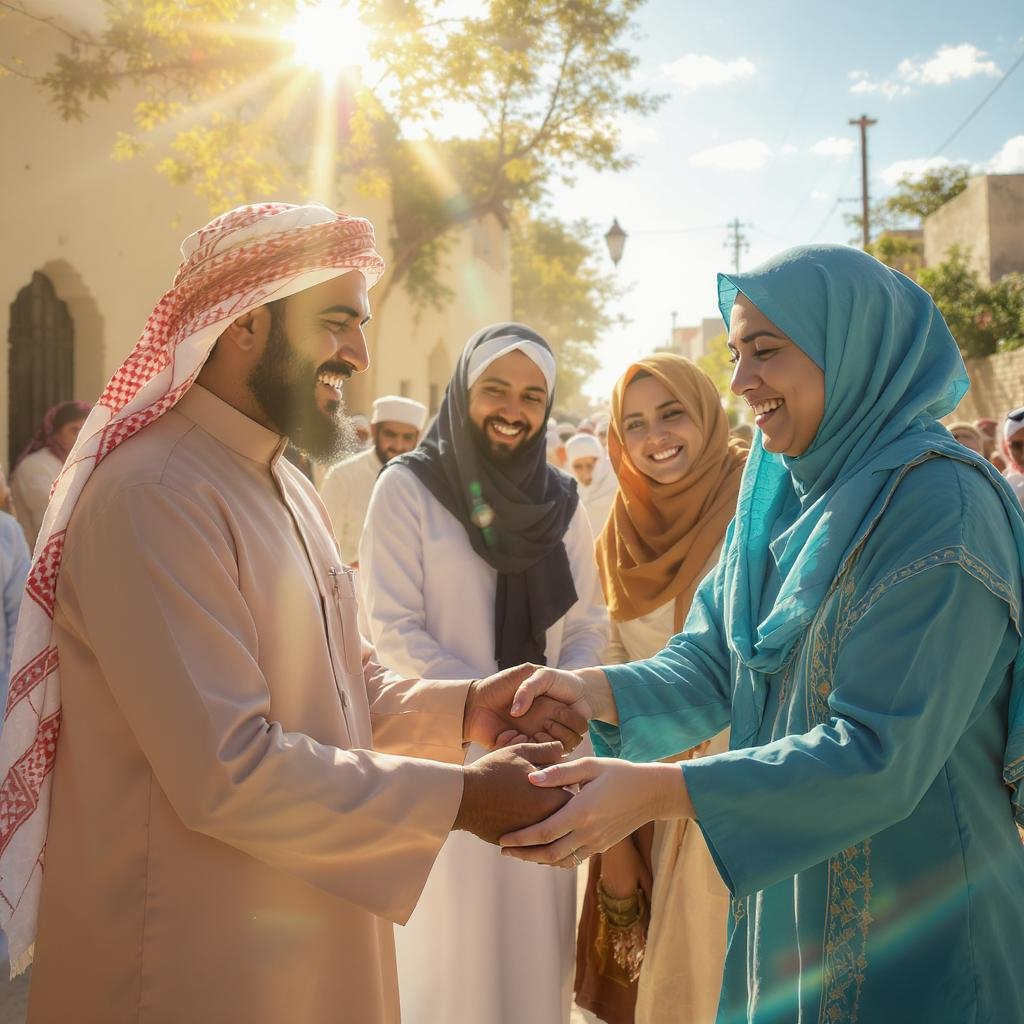
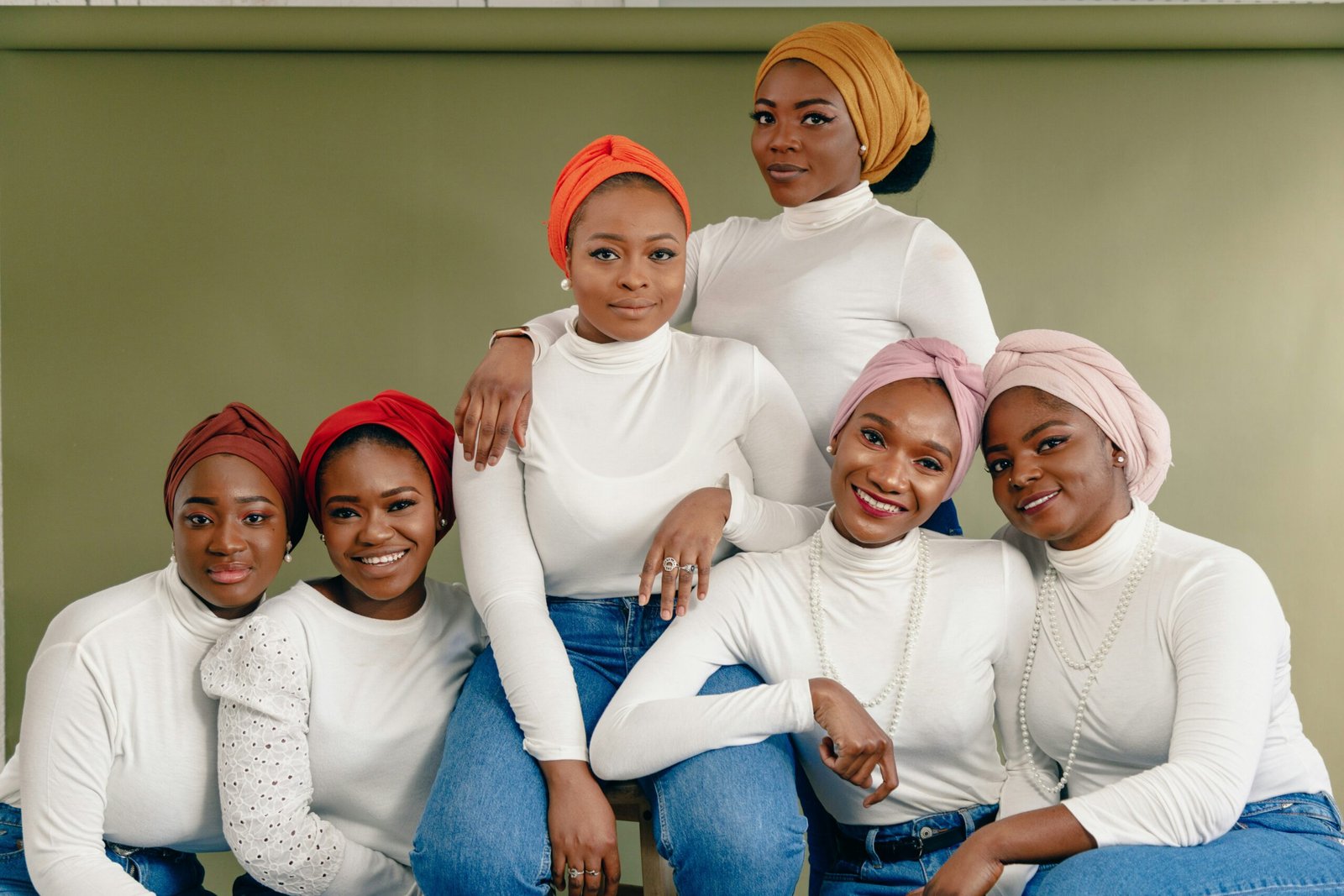
Together, We’re Making a Difference Though relatively small in number, Muslim communities in Arctic Canada—such as those in Inuvik, Yellowknife, and Iqaluit—are vibrant and growing. In the Northwest Territories, for example, Muslims make up less than 1% of the population, yet their presence has increased steadily over the past decade, reflecting broader national trends. These communities play a meaningful role in the local economy through entrepreneurship, professional services, and volunteerism. From operating food banks and small businesses to participating in civic life and interfaith initiatives, Muslim residents contribute to the social fabric of the North while embracing and respecting Indigenous cultures and traditions. Muslim residents in towns like Inuvik, Yellowknife, and Iqaluit have actively shaped their communities through: Mosque Building as Place-Making: The construction of mosques like the Midnight Sun Mosque in Inuvik was not just a spiritual endeavor—it was a statement of rootedness and community-building. These mosques serve as hubs for education, social events, and interfaith dialogue. Food Security Initiatives: The Arctic Food Bank, founded by the Muslim Welfare Centre in Toronto, is staffed by both immigrant and Indigenous volunteers. It provides groceries to over 200 families biweekly and sources local meats from Indigenous hunters, showing a collaborative approach to addressing food insecurity. Volunteerism: Nearly 40% of immigrants in Inuvik, including many Muslims, volunteer regularly—averaging 162 hours per year. This includes organizing community events, supporting youth programs, and helping with logistics for local charities. Muslim communities in the North have shown deep respect for Indigenous traditions and have built bridges through: Shared Values and Spiritual Kinship: Many Muslims in the region recognize parallels between Islamic teachings and Indigenous philosophies—such as gratitude, humility, and stewardship of the land. Collaborative Events: The National Muslim-Indigenous Solidarity Conference held in Winnipeg brought together both communities to share food, stories, and spiritual practices. It emphasized mutual respect and challenged harmful stereotypes. Historical Friendships: Early Muslim settlers like Peter Baker and the Hamdon family built strong relationships with Indigenous neighbors, learning their languages and customs. These friendships were based on mutual respect and practical cooperation. Cultural Sensitivity in Practice: Muslims in Inuvik follow prayer and fasting times based on Edmonton’s schedule due to extreme daylight variations, showing adaptability and respect for local realities. These communities aren’t just surviving in the Arctic—they’re thriving, contributing, and building bridges. It’s a beautiful example of how faith, resilience, and respect can shape inclusive societies. Volunteering alongside Muslim communities in Arctic Canada offers a unique opportunity to make a meaningful impact in remote regions where resilience and community spirit thrive. These communities, though small in number, are deeply engaged in social welfare, interfaith collaboration, and cultural preservation. Volunteers can contribute to initiatives that support food security, youth engagement, and cross-cultural understanding—helping to strengthen the social fabric of the North. Ways Volunteers Can Contribute: Support food distribution efforts through local food banks and community kitchens Assist with youth programs that promote education, mentorship, and recreational activities Help organize cultural and interfaith events that foster dialogue and inclusivity Offer professional skills in areas like healthcare, education, or tech support Participate in environmental stewardship projects aligned with Indigenous and Islamic values Aid in refugee and newcomer support, including language tutoring and settlement assistance